Custom Guardrails in Public Spaces: Accessibility and Safety Standards
Release time:2026-01-29 Click:15
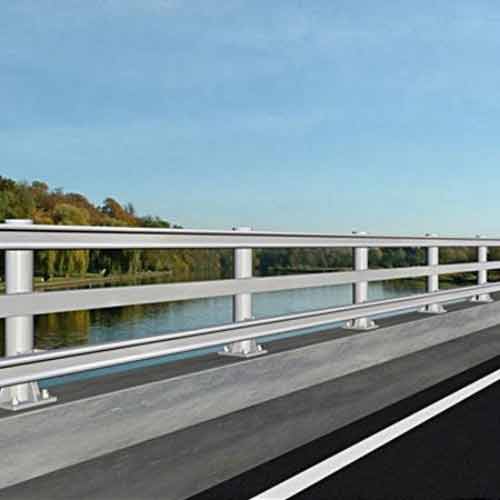
Public spaces such as parks, plazas, and transportation hubs are designed to be inclusive and safe for all members of the community. Custom guardrails in these areas play a pivotal role in defining pathways, preventing falls, and guiding movement. However, they are not merely physical barriers; they must adhere to strict accessibility and safety standards. This ensures that the infrastructure supports the needs of individuals with disabilities, the elderly, and children, creating an environment that is welcoming and secure for everyone.
Accessibility is a primary concern when designing custom guardrails. Building codes and regulations, such as the Americans with Disabilities Act (ADA) in the U.S., dictate specific dimensions for guardrail height, spacing, and smoothness. For instance, the top rail must be at a height that is easy to grip for support, while the bottom rail is often spaced to prevent a wheelchair or stroller from slipping through but high enough to avoid being a tripping hazard. Additionally, custom designs often include textured surfaces or contrasting colors to aid the visually impaired in detecting the boundary.
Safety standards require that custom guardrails be robust enough to withstand impact and prevent accidents. In high-traffic public areas, guardrails must be engineered to resist the load of people leaning against them or, in some cases, accidental vehicular impact. The materials used, whether steel, aluminum, or composite, must be chosen for their strength and durability. Furthermore, the design must eliminate hazardous protrusions or sharp edges that could cause injury during a fall. Smooth transitions and rounded ends are standard features to minimize the risk of serious harm if someone were to collide with the rail.
Customization allows these guardrails to integrate seamlessly into the architectural aesthetic of the public space while maintaining functionality. Unlike generic industrial rails, custom guardrails can be designed to complement the surrounding architecture, whether it is a historic town square or a modern transit station. Designers can incorporate ornamental elements, such as curved lines or artistic motifs, without compromising the structural integrity or safety compliance. This ensures that safety features enhance, rather than detract from, the visual experience of the public space.
Ultimately, custom guardrails in public spaces are a vital component of urban planning and community design. They provide the necessary guidance and protection that allow people to navigate public areas with confidence. By strictly adhering to accessibility and safety standards, these guardrails ensure that public spaces remain usable and safe for the entire population, regardless of age or ability. Investing in well-designed, code-compliant guardrails is an investment in social inclusion and public safety.
Previous article:Timeless Elegance and Strength in Wrought Iron Railings
Next article:Redefining Boundaries Through Thoughtful Fence Design
Hot products
Mobile: +86 13253222720
Email:metalproducts2026@163.com
Email:2671275026@qq.com