Why Pedestrian Guardrails Are Essential for Sidewalks
Release time:2026-01-31 Click:11
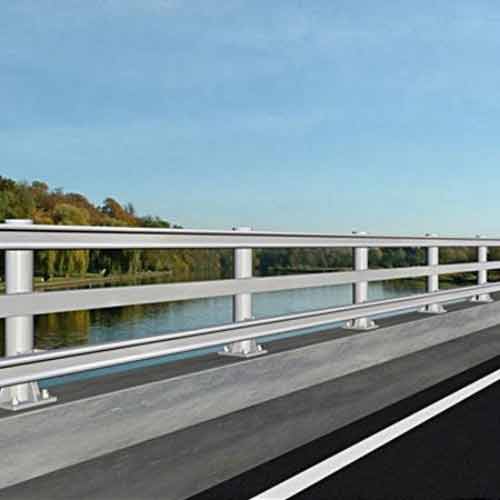
Pedestrian guardrails serve essential safety functions along sidewalks and pedestrian routes, protecting walkers from vehicle traffic while creating organized spaces that encourage walking and outdoor activity. These barriers create physical separation between pedestrians and moving vehicles, reducing the risk of accidents that can result in serious injury or death. Beyond their safety function, guardrails help define pedestrian pathways, guide foot traffic in high-volume areas, and provide psychological comfort that encourages pedestrians to use sidewalks rather than walking in roadways. The investment in pedestrian guardrail infrastructure reflects community commitment to pedestrian safety and the creation of walkable environments that support healthy, sustainable transportation options.
The design of pedestrian guardrails incorporates specific features that optimize safety effectiveness while maintaining the accessibility and aesthetic qualities that encourage pedestrian use. Height specifications ensure that guardrails provide adequate protection without creating enclosed feelings that discourage sidewalk use. Bar spacing calculations prevent children from getting trapped or crawling through rails while maintaining visibility that allows adult supervision. End treatments including flared ends or tall posts prevent snagging hazards that could injure pedestrians who contact fence ends. Surface finishes must be durable enough to withstand years of public use while remaining smooth enough to prevent injury from contact. Quality guardrail design balances these multiple requirements to create barriers that protect pedestrians effectively while encouraging the sidewalk use they are designed to facilitate.
Placement decisions for pedestrian guardrails should follow established safety principles that address the specific risks present at each location. Areas near schools, parks, and playgrounds benefit from guardrail protection that creates safer routes for children traveling to these destinations. Commercial districts with high pedestrian volumes use guardrails to manage crossing points and prevent jaywalking that creates accident risks. Transit stops and pedestrian crossings incorporate guardrails that channel pedestrian movement to designated crossing locations, reducing conflicts with turning vehicles. Community input and accessibility consultation ensure that guardrail installations meet the needs of all users, including those with mobility devices who require appropriate access points. The investment in quality pedestrian guardrails provides lasting safety benefits that protect community members and promote the active transportation modes that create healthier, more sustainable neighborhoods.
Previous article:Redefining Boundaries Through Thoughtful Fence Design
Next article:Essential Urban Roads Safety Barriers
Hot products
Mobile: +86 13253222720
Email:metalproducts2026@163.com
Email:2671275026@qq.com