Guardrail Retaining Wall Systems for Roadway and Site Applications
Release time:2026-02-25 Click:11
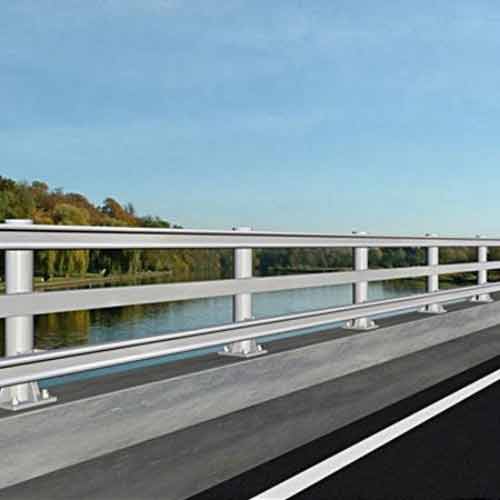
The intersection of roadway safety requirements and earth retention needs creates unique challenges that specialized construction systems must address effectively. Guardrail retaining wall systems combine the energy-absorbing characteristics of highway guardrails with the structural capacity of retaining walls, providing integrated solutions for roadways, parking areas, and development sites where both vehicle safety and grade separation are required. Understanding these systems enables engineers and contractors to select appropriate solutions for projects with complex safety and structural requirements.
The design principles of guardrail retaining wall systems integrate two distinct structural functions into unified construction. The guardrail component provides the energy-absorbing capacity to redirect errant vehicles and protect higher areas from runaway vehicles. The retaining wall component provides the structural capacity to support grade differences and resist the earth pressures that different elevation levels create. The combination requires careful engineering to ensure that both functions are adequately served without compromise.
Guardrail specifications for traffic safety applications follow established standards that ensure consistent performance across different manufacturers and installation conditions. Steel post spacing, rail height, and connection details are specified to provide the deflection and energy absorption that minimize injury severity in vehicle impacts. Terminal sections and connection details address the specific challenges of impacts at system ends and connections to other barriers. These specifications are established through extensive testing and crash evaluation programs.
Retaining wall specifications for guardrail applications address the structural requirements of earth retention while accommodating the loading from guardrail components. Wall heights and reinforcement requirements are determined based on the grade difference being retained, the soil conditions at the site, and any additional loads from vehicles or structures behind the wall. Connection details between the wall and guardrail components must transfer the impact loads from the guardrail into the wall structure without compromising wall performance.
Installation considerations for guardrail retaining wall systems address the challenges of combining two specialized construction types in single installations. Proper alignment and grading ensure that both the guardrail and wall components function as designed. Connection details must be completed accurately to ensure load transfer between components. Backfill placement and compaction must meet specifications for both wall and guardrail performance. Quality verification through testing and inspection ensures compliance with design specifications.
Site applications for guardrail retaining wall systems include roadway embankments, parking area edges, and development sites with significant grade changes. Roadway applications protect embankments and cut slopes from erosion while providing vehicle barrier protection for higher roadside features. Parking area applications create safe edges around elevated parking structures and at grade changes within parking areas. Development applications provide safety barriers at tiered sites while maximizing usable land area through effective grade management.
Maintenance requirements for guardrail retaining wall systems ensure continued performance of both safety and structural functions over the service life of the installation. Regular inspection identifies damage from vehicle impacts, weathering, or deterioration that may compromise either function. Prompt repair of damage maintains the integrity of both the guardrail and wall components. Periodic assessment of wall drainage and backfill conditions identifies developing problems before they affect system performance.
Previous article:Safety on Steps: The Importance of Guardrail Stairs Installations
Next article:Enhancing Stair Safety with Stylish staircase railing
Hot products
Mobile: +86 13253222720
Email:metalproducts2026@163.com
Email:2671275026@qq.com