High Strength Overpasses Guardrails for Highway Safety
Release time:2026-02-27 Click:15
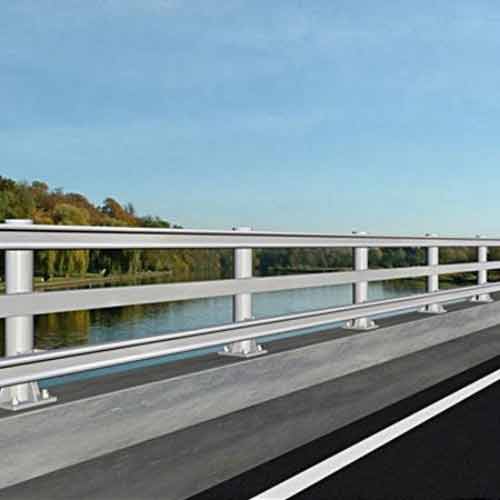
High strength overpasses guardrails represent the critical safety infrastructure that protects millions of motorists daily from catastrophic fall hazards where elevated roadways intersect with steep embankments, waterways, and urban landscapes where a single moment of driver inattention could result in devastating consequences. Engineered to meet or exceed stringent AASHTO and MASH safety standards, modern guardrail systems incorporate sophisticated energy-absorption principles where high-tensile steel alloys (typically 100,000+ PSI yield strength) deform in controlled patterns during vehicle impacts—dissipating kinetic energy through precisely calculated bending moments while maintaining structural continuity to prevent vehicle penetration or rollover scenarios. Unlike conventional barrier systems that simply stop vehicles through rigid resistance, advanced overpass guardrails function as dynamic safety systems that redirect impacting vehicles back onto roadways through carefully engineered deflection patterns, reducing crash forces transmitted to vehicle occupants by 40-60% compared to static barrier alternatives. The engineering sophistication extends to specialized terminal end treatments that eliminate the spear-like hazards of traditional guardrail ends—incorporating energy-absorbing crash cushions, buried-end configurations, or proprietary gating systems that prevent the "spearing" effect responsible for 25% of guardrail-related fatalities in previous generations of barrier technology.
The strategic deployment of high-strength guardrails on overpasses delivers comprehensive safety benefits that extend beyond immediate crash protection to influence broader transportation system performance and economic stability. Advanced corrosion protection systems—typically combining hot-dip galvanization with specialized polymer topcoats—ensure 30+ year service lives even in harsh environments exposed to de-icing chemicals and coastal salt spray, dramatically reducing the lifecycle maintenance costs that strain transportation department budgets. Modern guardrail designs incorporate intelligent features like embedded sensor networks that detect impact events and automatically notify emergency response systems with precise location data, maintenance indicators that visually signal when components require inspection following near-miss incidents, and modular replacement sections that minimize lane closure durations during repairs—keeping critical transportation arteries operational during maintenance activities. Statistical analysis from the Federal Highway Administration demonstrates that properly engineered overpass guardrails reduce fatal fall incidents by 85-90% while simultaneously decreasing injury severity scores by 60% through controlled deceleration principles. The economic impact becomes compelling when considering that a single prevented fatality saves society approximately $1.7 million in medical costs, lost productivity, and insurance claims—not to mention the immeasurable human cost of lives lost or permanently altered. For transportation agencies responsible for infrastructure that serves as the backbone of economic activity, high strength overpasses guardrails represent not merely safety equipment but strategic investments in human capital protection that deliver measurable returns through reduced emergency response burdens, lower insurance premiums for public entities, and preservation of the workforce that drives regional economic prosperity across generations.
Previous article:Enhancing Stair Safety with Stylish staircase railing
Next article:Guardrail Construction: Engineering Safety for Roads and Pedestrians
Hot products
Mobile: +86 13253222720
Email:metalproducts2026@163.com
Email:2671275026@qq.com