Ensuring Workplace Safety with Compliant Guardrail Fall Protection
Release time:2026-02-10 Click:20
On construction sites, industrial mezzanines, rooftops, and any elevated work area, the risk of falls is a leading cause of serious injury and fatality. Guardrail fall protection systems provide a primary and passive defense against this hazard. Unlike personal fall arrest equipment which requires active worker participation, a properly installed guardrail system creates a continuous physical barrier that prevents workers from accidentally stepping or falling off an edge, offering collective protection for all personnel in the area.
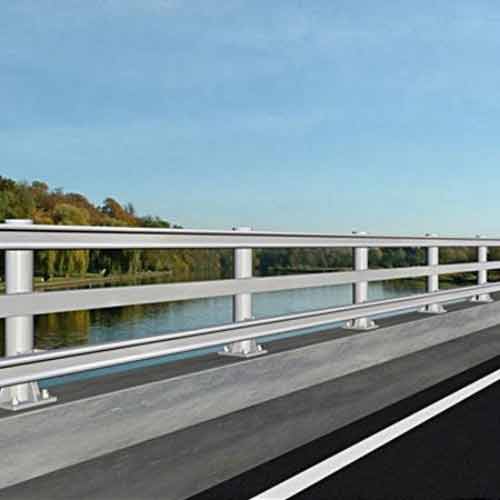
A compliant guardrail system is engineered to meet strict occupational safety standards, such as those set by OSHA. Its design typically includes a top rail, a mid-rail, and toe boards. The top rail must withstand a force of at least 200 pounds applied in any direction. The mid-rail prevents a worker from sliding under the top rail, and the toe board stops tools and materials from being kicked off the edge, which also protects people below from falling objects. The system must be of sufficient height (usually 42 inches from the walking surface) and strength to arrest a fall.
Materials for guardrails vary based on the application. On construction sites, temporary systems made from wood planks (2x4s) and metal posts are common. For permanent installations on roofs or platforms, steel pipe, aluminum, or prefabricated welded mesh panels are used. The key is that the system is rigid, secure, and capable of withstanding significant impact force without failure. All connections and joints must be robust, and the system should have no gaps wider than the regulation permits (often 19 inches).
Installation is critical to performance. Posts must be securely anchored to the structure at intervals that prevent the rails from deflecting beyond limits under load. On concrete, this may involve epoxy-set anchor bolts; on steel, it may involve welding or clamped connections. The entire system must be inspected regularly, especially for temporary installations that may be subject to damage from equipment or weather. Any damaged or compromised section must be taken out of service and repaired immediately.
Guardrails are the preferred method of fall protection because they are always in place, requiring no action from the worker to be effective. They allow for unobstructed movement along a protected edge and facilitate the safe handling of materials. They are part of the hierarchy of controls, prioritizing the elimination of the hazard (by creating a barrier) over relying on personal protective equipment to mitigate a fall after it has begun.
Implementing a reliable guardrail fall protection system is a fundamental responsibility of employers and site managers. It is a direct investment in human safety and regulatory compliance. By designing and installing systems that meet or exceed code requirements, companies not only prevent tragedies but also foster a culture of safety, reduce liability, and ensure that work at height is conducted within a secure and confidence-inspiring environment.
Previous article:Ensuring Safety with Code-Compliant Guardrail Stairs
Next article:Fence: Enhancing Privacy and Security in Residential Areas
Hot products
Mobile: +86 13253222720
Email:metalproducts2026@163.com
Email:2671275026@qq.com