Product details description
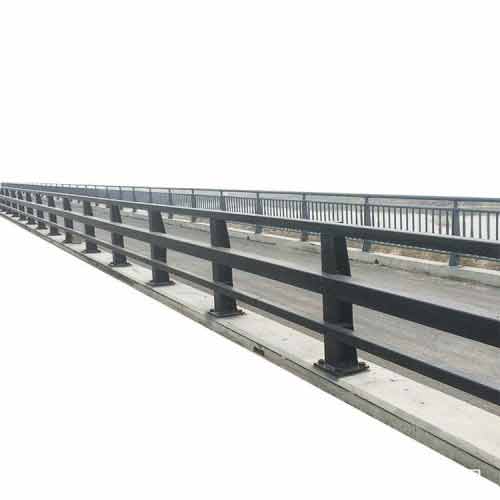
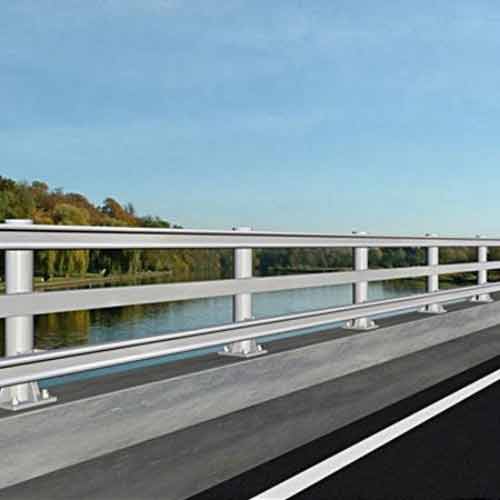
Highway guardrails serve critical safety functions in transportation
infrastructure through engineered barrier systems designed to redirecterrant
vehicles, minimize collision severity, and protect roadside hazards from vehicle
impact while maintaining traffic flow efficiency. These safety systems utilize
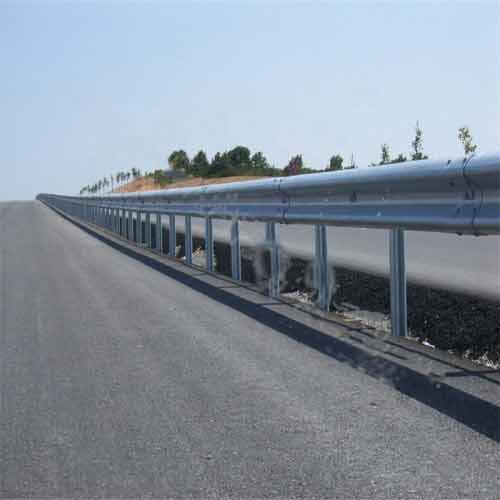
standardized steel beam construction conforming to AASHTO M180 specifications
with W-beam profiles 12.25 inches wide and 7.5 inches deep, providing controlled
vehicle engagement and redirection capabilities. Material specifications include
ASTM A36 structural steel with minimum yield strength of 36,000 PSI and
thickness of 0.312 inches, with hot-dip galvanized coating providing 25+ year
corrosion protection in highway environments. Installation standards follow
AASHTO MASH (Manual for Assessing Safety Hardware) requirements with post
spacing of 6.25 feet, proper burial depths of 3+ feet, and approved end
treatments preventing vehicle snagging or undercarriage engagement. The
guardrail system functions through controlled energy absorption during vehicle
contact, gradual deceleration minimizing occupant injury risks, and redirection
toward safe recovery areas away from roadside hazards. Performance
characteristics include crashworthiness testing for 5,000-pound vehicles at 60
mph, resistance to environmental loads including wind and ice, and maintenance
of structural integrity under repeated impact conditions.
Engineering design principles encompass deflection characteristics allowing
controlled vehicle engagement, breakaway cable terminal (BCT) systems permitting
controlled vehicle passage, and weak-post systems preventing rail penetrations
into vehicle passenger compartments. Applications include highway median
barriers preventing crossover collisions, roadside protection for fixed objects
including bridge piers and utility poles, and ramp installations providing
transition zones between different roadway sections. Safety benefits include
reduction of fatality rates by 15-25% for fixed-object collisions, minimization
of vehicle rollovers through controlled redirection, and protection of workers
in roadside maintenance zones. Regulatory compliance includes federal Highway
Safety Program requirements, state department of transportation specifications,
and AASHTO guidelines ensuring consistent safety standards across national
highway systems. Maintenance considerations include periodic inspection of
structural connections, damage assessment after impact events, and replacement
protocols ensuring continued crashworthiness throughout system service life. The
comprehensive approach provides essential vehicle occupant protection while
maintaining efficient traffic operations and minimizing collision severity on
national highway systems.
Previous article:
Standard in Road Safety – W-Beam Guardrails
Next article:
Guardrails in Mountain Roads