Railings: The Silent Guardians of Safety and Aesthetics
Release time:2026-02-16 Click:19
Introduction
Railings, often overlooked in architectural discussions, are indispensable elements that blend functionality with artistry. From safeguarding balconies to delineating property boundaries, these structures serve as both protectors and design statements. This article explores the multifaceted role of railings, their types, materials, and evolving trends.
Definition and Etymology
The term "railings" derives from the Old French reille(bar) and Latin regula(straight rod), originally referring to wooden or metal barriers . Today, railings encompass any structure designed to restrict movement or provide safety, whether on stairs, highways, or gardens. Their plural form, railings, implies interconnected barriers rather than isolated components .
Types and Applications
Guardrails
Purpose: Prevent falls from elevated areas like highways or rooftops.
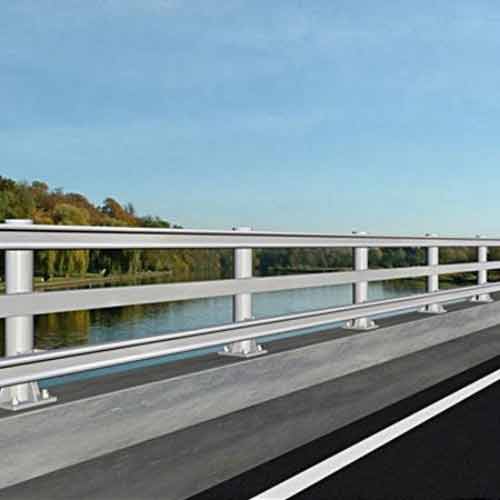
Design: Sturdy steel or concrete, often with reflective coatings for visibility .
Example: Highway guardrails mitigate accidents by absorbing impact energy.
Balustrades
Purpose: Decorative railings for staircases or terraces.
Design: Vertical posts (balusters) supporting horizontal rails, commonly in wood or marble .
Example: Renaissance-style balustrades enhance classical architecture.
Fencing
Purpose: Enclose spaces (e.g., gardens, construction sites).
Design: Mesh panels or pickets, emphasizing perimeter security .
Example: Chain-link fencing secures industrial facilities while allowing airflow.
Handrails
Purpose: Assist movement on stairs or slopes.
Design: Smooth, low-profile surfaces for grip, often paired with railings.
Material Innovations
Modern railings prioritize durability and aesthetics:
Stainless Steel: Resists rust, ideal for coastal areas .
Aluminum: Lightweight yet robust, suitable for balconies .
Glass Panels: Blends transparency with safety, popular in contemporary homes .
Powder-Coated Steel: Enhances corrosion resistance and color retention .
Safety vs. Aesthetics
Railings must balance practicality and visual appeal:
Child Safety: Anti-climb designs and reinforced posts deter unauthorized access .
Architectural Harmony: Custom railings match home decor, such as wrought-iron patterns or minimalist glass .
Regulatory Compliance: Building codes mandate height and spacing standards to ensure safety .
Cultural and Symbolic Significance
Beyond utility, railings symbolize boundaries and protection:
Privacy: Garden railings define spaces without blocking views .
Cultural Identity: Ornate railings in historic buildings reflect cultural heritage.
Psychological Comfort: Railings on bridges or heights provide a sense of security .
Conclusion
Railings are more than mere barriers; they are the unsung heroes of urban and domestic spaces. As technology advances, innovations like smart railings (integrating sensors for real-time alerts) promise to redefine their role. Whether crafted from steel or glass, railings continue to shape environments where safety meets elegance.
Previous article:Durable Median Barrier Guardrail Solutions for Heavy Traffic
Next article:Roadside Safety Systems with Highway Guardrail
Hot products
Mobile: +86 13253222720
Email:metalproducts2026@163.com
Email:2671275026@qq.com