Pedestrian Guardrails Enhancing Urban Safety Standards
Release time:2026-02-19 Click:15
Pedestrian guardrails are vital urban furniture elements designed to protect people by creating safe, orderly, and accessible pathways within the complex flow of city life. Their primary function is to form a protective barrier between pedestrians and potential hazards, such as vehicular traffic, steep drops, railway platforms, or construction sites. By clearly delineating pedestrian zones from roadways and other dangerous areas, they significantly reduce the risk of accidental collisions, falls, and jaywalking, thereby enhancing overall urban safety standards and fostering a more walkable, people-centric environment.
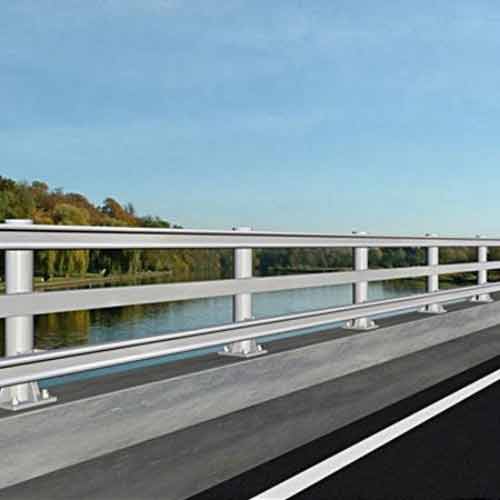
Modern pedestrian guardrail design balances safety, aesthetics, and functionality. They are constructed from robust materials like galvanized steel, aluminum, stainless steel, or durable composites to withstand public use and weather extremes. Designs range from simple horizontal rail systems to more ornate patterns that complement the architectural character of a street or district. Key safety features include appropriate height (typically between 1.1m to 1.4m), smooth surfaces to prevent injury, and visibility through open designs or with integrated reflective elements for low-light conditions. They often incorporate ADA (Americans with Disabilities Act) considerations, such as lower rail heights for visibility and detectable warnings for the visually impaired.
The strategic placement of guardrails is based on thorough risk assessment. They are installed along busy sidewalks adjacent to high-speed roads, at pedestrian crossings to channel people to safe crossing points, around public transport stops, on bridges and overpasses, and near schools and parks. By guiding pedestrian flow, they prevent chaotic movement and reduce conflict points with vehicles. This organized channelization is especially crucial in high-density urban areas, during large public events, and in locations with mixed traffic, ensuring smooth and safe mobility for all.
Beyond physical protection, guardrails contribute to urban design and civic identity. They can be customized with color coatings, integrated planters, or lighting to enhance streetscapes. Their presence can also subtly influence behavior, encouraging pedestrians to use designated paths and crosswalks. For city planners, investing in a cohesive and high-quality guardrail system is an investment in public health, liability reduction, and the creation of an inviting urban atmosphere that prioritizes the safety and comfort of its residents and visitors.
Implementing and maintaining pedestrian guardrails is a clear indicator of a city's commitment to safe, accessible infrastructure. As urban areas continue to grow and evolve, these systems play an increasingly important role in separating vulnerable road users from traffic, managing crowd movement, and preventing accidents. By setting a high standard for physical protective barriers, pedestrian guardrails are fundamental components in building smarter, safer, and more livable cities for everyone.
Previous article:Roadside Safety Systems with Highway Guardrail
Next article:Weather Resistant Mountain Roads Guardrails Perform In Harsh Climates
Hot products
Mobile: +86 13253222720
Email:metalproducts2026@163.com
Email:2671275026@qq.com