Pedestrian Guardrails for Commercial Areas and Shopping Districts
Release time:2026-01-10 Click:25
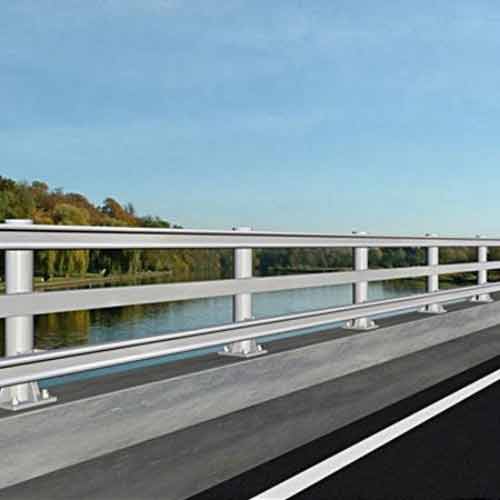
Pedestrian guardrails in commercial areas and shopping districts serve as vital safety features that also enhance aesthetic cohesion, guiding foot traffic and defining spaces. Designed to prevent falls from elevated areas (e.g., parking garages, plazas) and separate pedestrians from vehicles, these guardrails blend functionality with style to complement bustling urban environments. Their presence reassures shoppers, reduces accidents, and contributes to a welcoming atmosphere—proving that safety measures can be both practical and visually appealing.
Design priorities balance safety and integration. Guardrails are typically waist-high (36–42 inches) with a sturdy frame (steel, aluminum, or composite) and a top rail for gripping. Materials are chosen for durability (resisting corrosion, vandalism) and aesthetics: brushed stainless steel offers a modern look, while powder-coated aluminum comes in colors matching storefronts. Transparent or semi-transparent panels (acrylic, glass) maintain visibility, preventing the visual clutter of solid barriers, and some designs incorporate planters or lighting for added utility.
Placement is strategic to manage crowds. Along main walkways, guardrails direct foot traffic away from vehicle zones (loading docks, delivery areas). Around seating areas or fountains, they create safe perimeters without obstructing views. In multi-level complexes, they line staircases and ramps, with non-slip surfaces and rounded edges to minimize injury risks. For shopping districts with historic architecture, guardrails may mimic period details (wrought iron curves) to preserve character.
Durability and low maintenance ensure long-term value. The materials resist scratches, UV fading, and impacts from strollers or luggage. Cleaning requires only mild detergent and water, as smooth surfaces repel graffiti. Modular designs allow damaged sections to be replaced individually, avoiding full guardrail overhauls. For high-traffic areas, reinforced bases prevent tipping, and anti-climb features (smooth vertical bars) deter misuse.
In summary, pedestrian guardrails in commercial zones are more than safety devices—they are part of the urban fabric. By guiding movement, preventing accidents, and complementing the district’s style, they enhance the shopping experience while fulfilling a critical protective role. For developers and city planners, investing in well-designed guardrails demonstrates a commitment to both public safety and community aesthetics.
Previous article:Roadside Safety of a Highway Guardrail
Next article:The Lifesaving Role of Highway Guardrail
Hot products
Mobile: +86 13253222720
Email:metalproducts2026@163.com
Email:2671275026@qq.com