The Lifesaving Role of Highway Guardrail
Release time:2026-01-11 Click:22
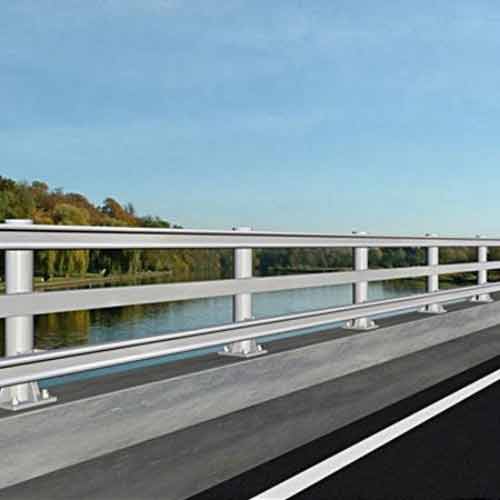
Highway guardrail, also known as crash barrier or safety barrier, is a system installed along roadways to prevent errant vehicles from leaving the travel way and striking fixed objects, descending embankments, or crossing into oncoming traffic. It is not a wall but a designed to deform upon impact, absorbing kinetic energy and redirecting the vehicle back onto the road in a controlled manner. Typically made from galvanized steel beams (W-beam or thrie-beam) mounted on posts, its sole purpose is to enhance road safety and minimize the severity of accidents.
The engineering behind highway guardrail is precise. The height, strength, and placement are calculated based on road speed, traffic volume, and the hazards being shielded. The corrugated steel beam is designed to crumple, and the posts are meant to break away upon impact, working together to dissipate force over a longer distance and decelerate the vehicle more gently than a sudden stop. Proper end treatments are crucial to prevent the guardrail from spearing a vehicle that hits it head-on. It is a critical piece of passive safety infrastructure on highways, bridges, and medians.
While effective, guardrail is installed only where the consequence of leaving the road is severe. It requires regular inspection and maintenance to ensure its integrity after minor impacts or due to corrosion. Modern advancements include higher-containment barriers for medians and more forgiving designs. As a fundamental component of the roadway safety system, highway guardrail saves countless lives by managing vehicular impact energy and keeping drivers on a safer path, demonstrating how carefully engineered infrastructure can mitigate the risks inherent in high-speed travel.
Previous article:Pedestrian Guardrails for Commercial Areas and Shopping Districts
Next article:Highway Guardrail Saves Lives Through Engineered Impact Absorption
Hot products
Mobile: +86 13253222720
Email:metalproducts2026@163.com
Email:2671275026@qq.com