Product details description
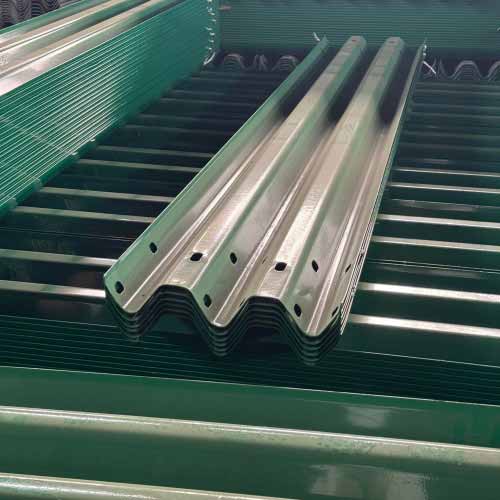
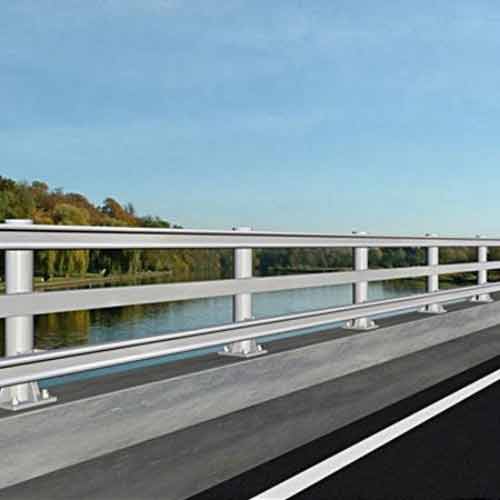
Highway guardrails represent one of the most critical safety infrastructure
elements protecting motorists from the severe consequences of run-off-road
collisions, with millions of linear feet installed along highways, bridges, and
roadways worldwide. These safety barriers work by redirecting errant vehicles
back to the roadway or slowing vehicles to a stop, preventing more severe
collisions with roadside hazards including trees, poles, embankments, and
oncoming traffic. Understanding guardrail design principles, performance
standards, and maintenance requirements enables transportation agencies,
contractors, and safety professionals to ensure these vital safety systems
provide optimal protection for the traveling public. The engineering behind
highway guardrail systems reflects decades of research, testing, and real-world
performance evaluation that continues to inform improvements in roadside safety
design.
Guardrail design follows established performance standards that specify
barrier strength, deflection characteristics, and vehicle redirection
capabilities based on anticipated vehicle types and impact speeds. The widely
adopted MASH (Manual for Assessing Safety Hardware) standards provide testing
protocols and evaluation criteria that ensure guardrail systems perform
consistently under defined impact conditions, with test vehicles ranging from
compact cars to pickup trucks representing the passenger vehicle fleet.
Guardrail height, post spacing, and blockout dimensions all affect performance
characteristics, with specifications calibrated to provide appropriate
containment and redirection for the target vehicle population. Terminal end
treatments and energy-absorbing components at guardrail ends address the severe
hazards that unrestrained end terminals represent, with systems designed to
either redirect impacting vehicles or allow safe traversal of the terminal
area.
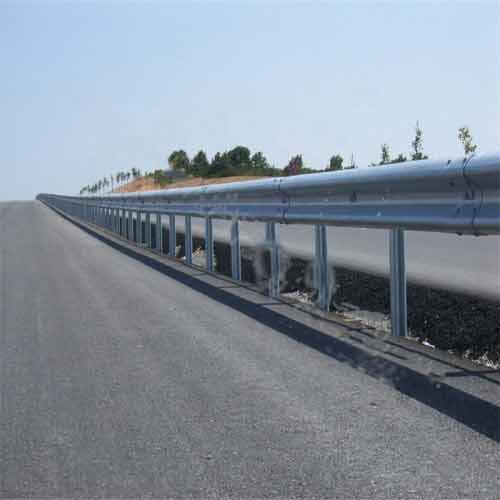
Installation requirements for highway guardrail systems address foundation
conditions, component alignment, and connection integrity that ensure proper
performance under impact loading. Post foundations must provide adequate holding
capacity to resist the forces transmitted through guardrail beams during vehicle
impacts, with soil conditions determining whether standard driven posts or
deeper concrete-anchored posts are required. Component alignment ensures proper
beam height and continuity that affects both normal function and appearance,
with tolerances specified for vertical and horizontal alignment along the
installation length. Connection hardware including post bolts, beam splices, and
terminal attachments must meet specified torque values and use appropriate
materials that maintain strength throughout the installation's service life.
Field inspection verifies compliance with installation specifications before
guardrails are opened to traffic.
Maintenance requirements for highway guardrail systems address damage from
collisions, wear from environmental exposure, and deterioration of components
that can compromise safety performance over time. Regular visual inspection
identifies obvious damage including bent beams, broken posts, and missing
hardware that require prompt repair or replacement. Impact damage assessment
determines whether affected sections can be repaired in place or require
component replacement, with damaged components replaced using matching new
materials that meet current specifications. Corrosion protection for steel
components maintains beam strength and appearance, with touch-up galvanizing or
protective coating application addressing areas where galvanization has been
damaged or degraded. Documentation of inspection findings, maintenance actions,
and collision repairs supports asset management programs and provides evidence
of proper maintenance for liability and warranty purposes.
Previous article:
How to Design a Guardrail for a Multi-Story Car Park
Next article:
Bridge Guardrail Solutions - Enhanced Safety for Elevated Structures