Product details description
Highway safety is paramount, and the W-beam guardrail is one of the most
recognizable features of road infrastructure. Designed specifically to redirect
errant vehicles and prevent them from leaving the roadway, the W-beam is a
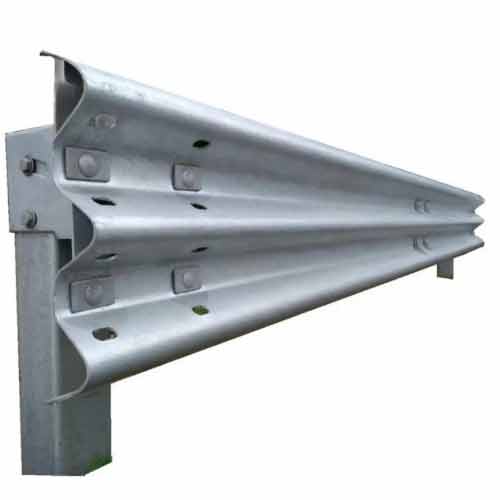
critical component in reducing the severity of accidents. Its distinct "W"
cross-section shape provides an optimal balance of flexibility and strength,
allowing it to absorb and dissipate the energy of an impact. This robust design
has been refined over decades to ensure it meets rigorous safety standards and
withstands the test of time.
The structural integrity of the W-beam guardrail lies in its unique
profile. Unlike the older box-beam designs, the W-beam is made from rolled steel
that is formed into a W shape. This geometry gives the rail high strength in the
vertical direction, preventing the vehicle from crashing over it, while allowing
enough flexibility in the lateral direction to reduce the g-forces transferred
to passengers during a collision. This flexibility is crucial because it allows
the guardrail to "catch" the vehicle and guide it back toward the traffic flow,
rather than stopping it abruptly, which could cause severe injuries or
rollovers.
Durability and longevity are essential for highway infrastructure, which is
constantly exposed to the elements. W-beam guardrails are typically manufactured
from high-quality structural steel and undergo a galvanization process or are
coated with zinc-aluminum alloy. This protective coating is vital for resisting
rust and corrosion caused by rain, de-icing salts, and humidity. By preventing
the steel from deteriorating, the coating ensures that the guardrail maintains
its structural strength over decades of use, reducing the need for frequent
maintenance and replacement and saving taxpayer money in the long run.
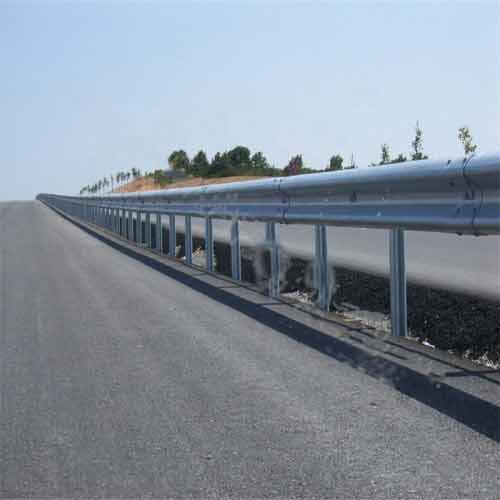
The installation of W-beam guardrails is an engineering process that
involves precise placement and anchoring. The beams are typically mounted on
steel posts that are driven into the ground or set in concrete. Crucially, the
connection between the rail and the post often includes a block-out spacer. This
spacer is designed to prevent the vehicle's wheel or bumper from snagging on the
post during an impact, which reduces the risk of the vehicle spearing or
rolling. These engineered details ensure that the guardrail system performs
predictably and safely under crash conditions.
In conclusion, the W-beam guardrail represents a robust and long-lasting
solution for highway safety. Its design effectively balances the need to contain
vehicles with the need to protect occupants from excessive force. Combined with
corrosion-resistant materials and engineering innovations like block-out
spacers, the W-beam guardrail remains a frontline defense against roadside
fatalities and injuries. As vehicle technology evolves, the fundamental
principles of the W-beam continue to save lives, making it an indispensable
element of modern transportation networks.
Previous article:
Long-Distance Highway Guardrail Installation
Next article:
Highway Guardrail Hot DIP Galvanized Steel W Beam Guardrail